
Peripheral Neuropathy In Southeast ID


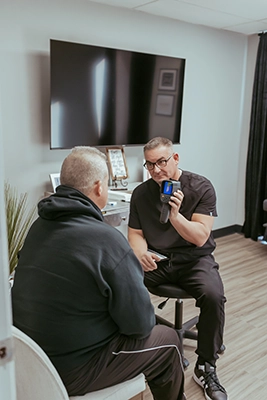
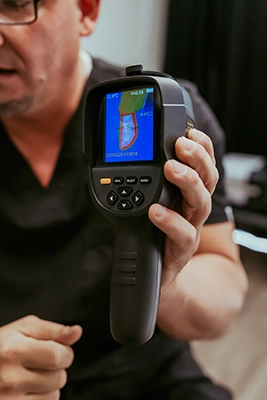
Are you dealing with neuropathy or peripheral neuropathy in Southeast ID? Neuropathy encompasses a group of disorders stemming from damage to the peripheral nervous system, excluding the brain and spinal cord. This system links your limbs and organs to the central nervous system, with peripheral neuropathy often occurring due to nerve axon damage, which carries electrical impulses. For instance, damage to a sensory neuron's axon can impair touch and warmth sensations. Typically, neuropathy presents with pain, numbness, and tingling in the extremities (hands and feet). Several causes contribute to this condition, including:
- Diabetes, the most prevalent cause.
- Traumatic injury.
- Infections.
- Metabolic disorders.
- Toxins.
Types of Neuropathy in Southeast ID
- Sensorimotor polyneuropathy: Affects sensory and motor nerves.
- Autonomic Neuropathy: Impacts nerves controlling bodily functions like breathing and heart rate.
Peripheral neuropathy often causes tingling, burning, and prickling sensations, with the duration and intensity of pain varying and often improving over time, especially with proper treatment of underlying conditions. This condition often correlates with factors such as poor nutrition, various diseases, trauma, or nerve pressure. In some cases, the cause remains unknown, termed idiopathic neuropathy.
According to the Neuropathy Association, over 20 million Americans suffer from neuropathy, outnumbering those with Alzheimer's, Epilepsy, Rheumatoid Arthritis, HIV, Parkinson's Disease, and Multiple Sclerosis combined. Of these, an estimated 15-18 million have neuropathy due to diabetes.
There are over 100 types of neuropathy, but peripheral neuropathy can be categorized based on nerve involvement:
- Mononeuropathy: Affects a single nerve, seen in conditions like carpel tunnel syndrome.
- Multiple mononeuropathy: Involves two or more individual nerves.
- Polyneuropathy: Affects a broad range of peripheral nerves, often associated with diabetes.
Neuropathy Causes in Southeast ID
Neuropathy has various causes, including idiopathic cases with no known cause, diabetes accounting for around 35% of neuropathies, and acquired neuropathies from factors such as:
- Alcoholism.
- Nutritional deficiencies.
- Trauma or nerve pressure.
- Repetitive movements.
- Autoimmune diseases.
- Rheumatoid Arthritis.
- Toxins or medications.
- Hereditary disorders.
- Tumors.
- Other diseases like HIV/AIDS, Lyme disease, liver or kidney disease, and hypothyroidism.
Who Develops Neuropathy?
Neuropathy can affect people of all ages and is more common in men, Caucasians, and those with jobs involving repetitive movements. Risk factors include poor nutrition leading to Type II Diabetes, autoimmune diseases, compromised immunity, alcoholism, vitamin deficiencies, and various disorders like kidney or thyroid issues.
This condition is generally not a simple diagnosis to make. It is difficult because it is not often that it is a disease present alone but rather a symptom of an underlying disease. There is a process that occurs before the diagnosis is made. The process may consist of:
- Full medical history
- Physical exam
- Neurological exam
- Tendon reflexes
- Muscular strength
- Muscular tone
- Sensory tests
- Postural analysis
- Coordination analysis
- Blood tests (check vitamin B-12)
- Urinalysis
- Thyroid function tests
- Nerve conduction test
In some cases a nerve biopsy may be requested by a physician.
Neuropathy Treatment Options
There have been several treatments developed for the treatment of neuropathies in Southeast ID. Treatment options range from medications, creams, special diets and therapies. All of these treatments are designed to assist in nervous system function. The most common course of treatment is prescription antidepressants to relieve pain in non-depressed patients. Research has also found that antidepressants can alleviate peripheral neuropathy induced from chemotherapy treatments.
Anticonvulsants are another choice of treatment used for neuropathies. This type of medication is used because it blocks the incoming calcium within a neuron which ultimately inhibits the transmission of pain. A less favorable medication used is opioid narcotics. These are not used very often because of the chance the patient may become addicted and dependent although they are they usually the most effective for alleviating the pain. Topical creams that may be used are lidocaine or capsaicin.
There are also alternative therapies available. Some of that have been used are:
- Cannabinoids
- Botox
- Ketamine
- Dietary supplements
- Chiropractic adjustments
- Therapeutic massage
- Yoga
- Acupuncture
Neuropathy may be treated with a class of therapy known as neuromodulators. This may require surgical implantation of electrical or chemical implants. These include:
- Spinal cord stimulators
- Spinal pumps
- Electrodes - used to stimulate the motor cortex
- Deep brain stimulation
Proper nutrition is very important in preventing and managing neuropathy. This is especially true about diabetics. An exercise plan is highly recommended. If you are currently a smoker, it is advised to quit. For relief at home, massaging your hands and feet will stimulate the nerves and relieve pain. It is also extremely important to avoid spending extensive periods of time on your knees or elbows in order to prevent further damage.
If you have questions or need assistance, reach out to the top-rated team at Idaho Neuropathy and Wellness in Southeast ID.

OFFICE HOURS
By Appointment

Idaho Neuropathy and Wellness
859 S Yellowstone Hwy
Beacon Integrative Medical Center
83440 - Rexburg, ID